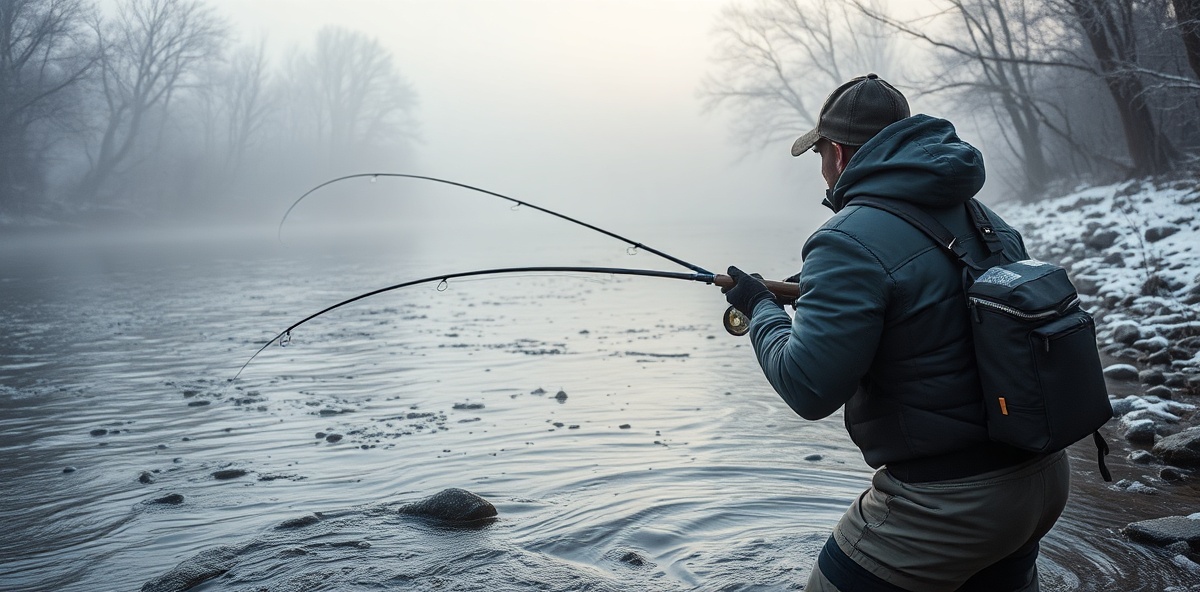
Winter fishing is where champions are made. Cold water, ice, frost, and brutal conditions separate the committed anglers from the casual ones. But if you train for it, you gain a competitive advantage.
The Cold Demands
Winter fishing requires:
- Sustained grip strength (numb hands lose strength)
- Core stability in a cold, tense body
- Mental toughness (misery is a factor)
- Flexibility (cold muscles are tight and prone to injury)
Most anglers accept these challenges passively. Smart anglers train for them.
Cold-Water Grip Training
Grip strength degrades when cold. Your hands lose dexterity, strength, and sensation. Train to maintain grip even when conditions are harsh.
Cold water exposure training:
- Immerse hands in ice water for 30-60 seconds
- Perform grip-intensive exercises (farmer carries, thick-bar deadlifts)
- Repeat 3-4x weekly during cold season
This builds cold tolerance in your hands. Your vessels constrict and adapt. By winter season, your hands perform better in cold than untrained hands.
Grip-specific work:
- Thick-bar carries (5 minutes total)
- Squeeze ball work (3 sets of 30 reps)
- Dead hangs (accumulate 60 seconds)
Core Stability in the Cold
Your core tightens in the cold. Tight core = poor rotation = weak casting. Flexibility work is essential.
Daily mobility routine (15 minutes):
- Thoracic rotations: 20 each side
- Hip circles: 10 each direction
- Cat-cow stretches: 10 reps
- Wrist circles: 15 each direction
This keeps your joints supple despite cold temps.
Insulation Strategy
Smart clothing choices reduce the energy cost of staying warm, letting you focus on fishing.
Winter fishing layers:
- Base: Merino wool (retains warmth when wet, doesn’t smell)
- Insulation: Synthetic fleece (maintains warmth even if damp)
- Shell: Waterproof, breathable outer layer
Keep hands accessible—avoid mittens if possible. Fingerless gloves or thin gloves preserve dexterity while providing warmth.
Neoprene waders with thick socks keep lower body warm during long days in water.
Mental Training for Misery
The psychological game of winter fishing is underestimated. Miserable conditions breed mistakes. But if you’ve trained in misery, you’re unbothered.
Mental rehearsal: Before winter season, visualize fishing in the worst conditions you expect. See yourself calm, focused, performing well despite cold and discomfort.
Exposure training: Practice fishing in less-than-ideal conditions during fall and spring. Build your tolerance gradually.
Reframing: Instead of “this is miserable,” think “my competitors aren’t out here.” You gain advantage simply by showing up when conditions are harsh.
Physical Conditioning
Winter fishing demands the same endurance as summer, but at higher intensity (body works harder to stay warm and maintain core temperature).
Weekly conditioning:
- 2 days of easy cardio (walks, light jogging): 30-45 minutes
- 1 day of harder cardio (hills, intervals): 30 minutes
- 2 days of strength work (focus on posterior chain and core)
This builds the work capacity needed for winter fishing seasons.
Practical Preparation
8 weeks before winter season:
Weeks 1-4: Build aerobic base and start grip/cold water exposure training.
Weeks 5-6: Add harder conditioning. Increase cold exposure duration.
Weeks 7-8: Taper conditioning but maintain grip and mobility work.
Test your setup on practice trips before season. Make sure clothing works, waders don’t leak, and hands stay functional.
The Reward
Winter fishing produces some of the year’s best action. Fish are more aggressive. Competition for your attention is lower (most anglers have quit for winter). The water is cleaner.
If you’ve trained for it, you’ll outfish the casual anglers by a massive margin. Winter conditions aren’t an obstacle—they’re your advantage.
Coach Marcus
Coach and fitness specialist at Outdoor Fitness and Sports. Coach Marcus works with hunters and anglers to maximize their physical performance in the field.
Ready to Transform Your Fitness?
Check out our training programs designed for hunters and anglers.
View Programs